
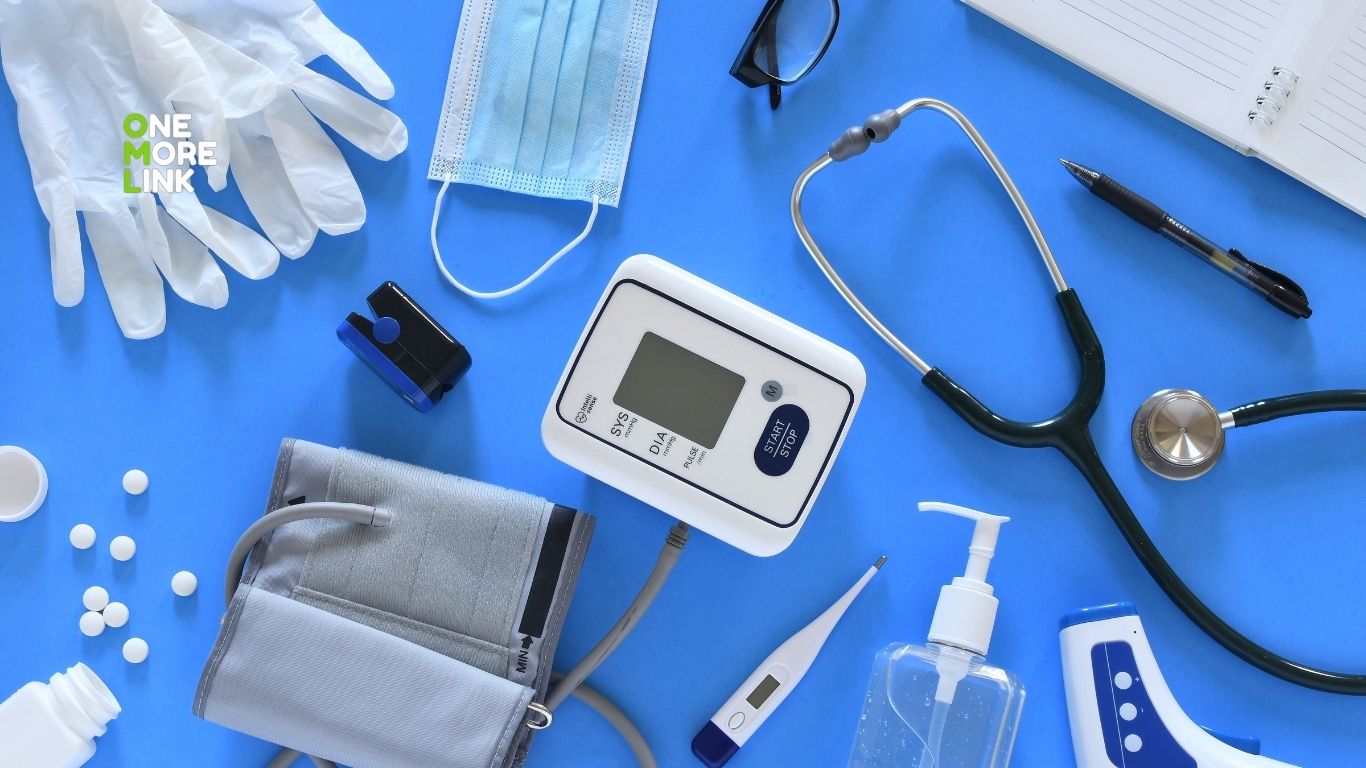
Used medical devices such as syringes, IV bags, surgical instruments, and items contaminated with blood or bodily fluids are classified as infectious waste. These materials carry a high risk of spreading diseases if not properly disposed of, posing potential harm to healthcare workers, waste collectors, and the general public.
In addition, medical waste can negatively impact the environment. Many of these materials contain chemicals and specialized components that do not naturally decompose. Improper disposal alongside general waste may lead to contamination of soil and water sources.
For these reasons, medical devices must be managed through proper procedures, including segregation, collection, transportation, and disposal using certified systems. This helps reduce infection risks, prevents illegal reuse, and ensures long-term safety for both society and the environment.


