In an era where the world is facing climate change, one of the key approaches to sustainable agriculture is balancing carbon in both soil and atmosphere. “Biochar” has emerged as a powerful solution that addresses both challenges simultaneously.
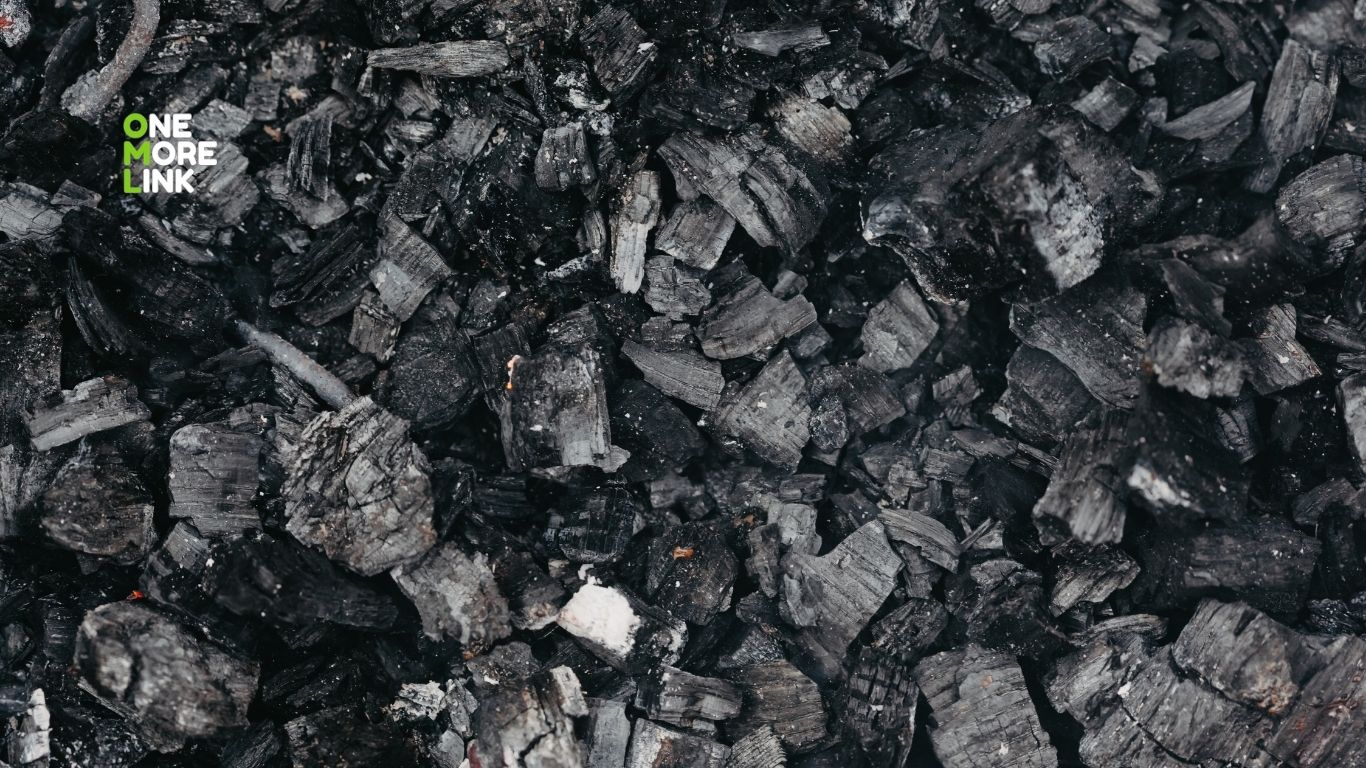
Biochar is a carbon-rich material produced from organic waste such as wood, leaves, and agricultural residues. It is created by heating biomass at temperatures above 350°C under limited oxygen conditions. This process transforms carbon into a stable form that can be stored in the soil for hundreds to thousands of years.
Compared to conventional methods of managing agricultural waste—such as natural decomposition or open burning, which release most of the carbon back into the atmosphere as carbon dioxide—biochar production helps “lock” carbon into the soil. This makes it a low-cost and practical solution for reducing greenhouse gas emissions in the agricultural sector.
Beyond its environmental benefits, biochar also improves soil quality. Its highly porous structure enhances water retention, increases nutrient-holding capacity, and supports beneficial soil microorganisms. As a result, crops tend to grow better, especially when biochar is used alongside organic fertilizers.
Importantly, producing high-quality biochar requires specially designed kilns that can precisely control temperature and oxygen levels, ensuring both efficiency and environmental safety.
In essence, biochar is more than just charcoal—it is a sustainable technology that transforms agricultural waste into a valuable resource. By reducing carbon emissions, improving soil health, and supporting long-term agricultural sustainability, biochar offers a promising path toward a more resilient future.
Cr. IFARM