Hydrogen is widely seen as a future energy source because it produces no carbon dioxide when used, emitting only water as a byproduct. However, its “clean” nature depends not on usage, but on how it is produced.
Currently, most of the world’s hydrogen is generated from fossil fuels (grey hydrogen), which results in high carbon emissions. Blue hydrogen reduces emissions through carbon capture technology, but remains costly. Meanwhile, green hydrogen—produced using renewable energy—is the cleanest option, though still limited by cost and technological challenges.
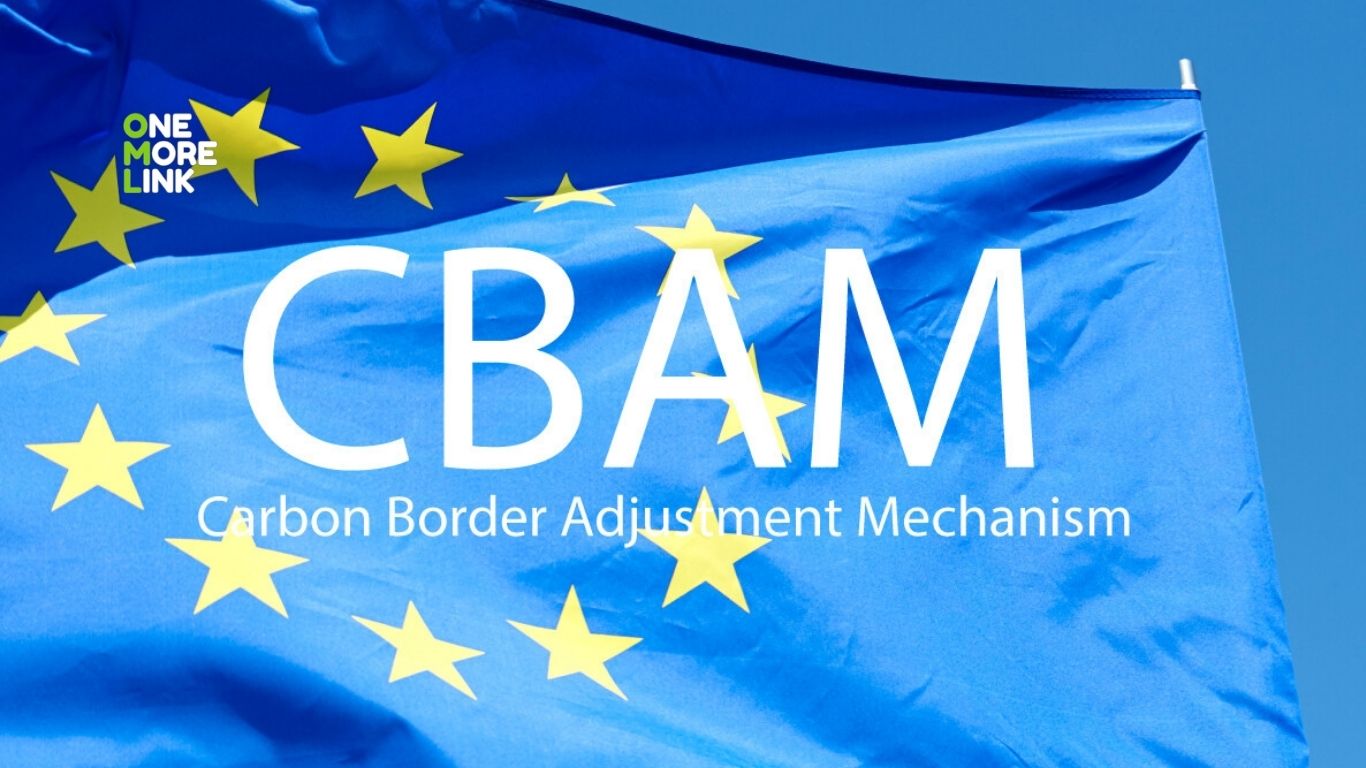
For this reason, the European Union has included hydrogen under the CBAM framework, which evaluates carbon emissions embedded in production processes, particularly in industrial sectors. This reflects the reality that hydrogen is not entirely green in all cases.
Although Thailand is not significantly affected by CBAM at present, the transition toward green hydrogen remains a key direction for the country’s future energy development.
Cr. sustain dailynews