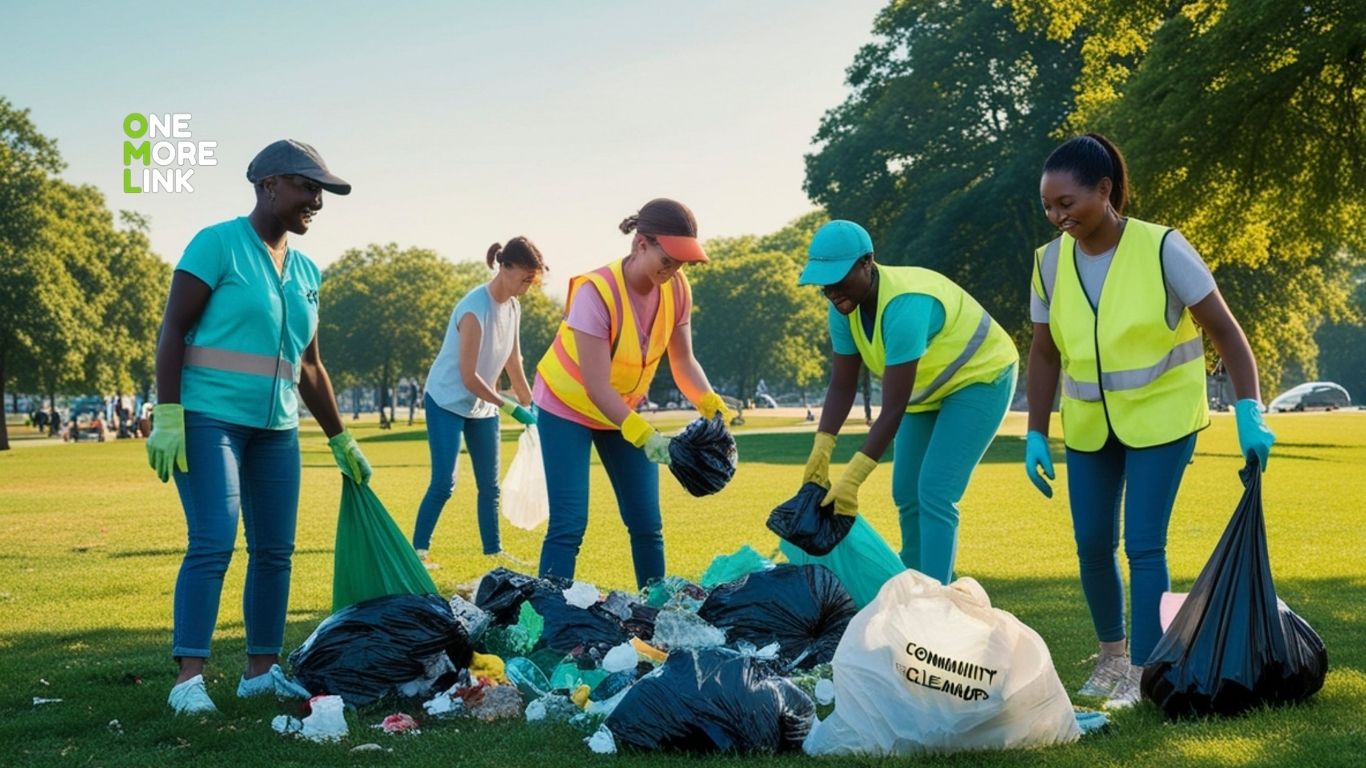
Seoul, South Korea, has launched a 100-day “Waste Diet” program aimed at reducing household waste, with 354 residents participating—matching the city’s average daily waste generation of 354 grams per person. The initiative seeks to demonstrate the city’s responsibility in addressing its waste problem while encouraging citizens to take part in practical waste reduction efforts.
Participants are provided with small electronic scales to measure their household waste each week. They are required to sort waste into general trash and seven types of recyclables, such as paper, plastic, and glass, and submit the data online. The program begins with participants establishing their baseline waste levels, followed by continuous efforts to reduce waste throughout the project.
The campaign comes in response to a government ban on direct landfilling of mixed household waste, which took effect earlier this year. As a result, Seoul has had to increase incineration and recycling. However, due to infrastructure limitations, some waste is still being sent to other regions for disposal, drawing public criticism.
In this context, the Waste Diet initiative is seen as an important step toward raising awareness and changing public behavior. The city hopes that if the program proves successful, it can be expanded to other areas and contribute to more sustainable waste management in the long term.
Cr. environman th