The Thai government is stepping up efforts to address global market volatility, particularly tensions in the Middle East that are disrupting raw material supply chains. The Ministry of Commerce, in collaboration with the Ministry of Industry, has recently discussed measures to manage “plastic pellets” after officially classifying them as a controlled product to stabilize domestic costs and prices.
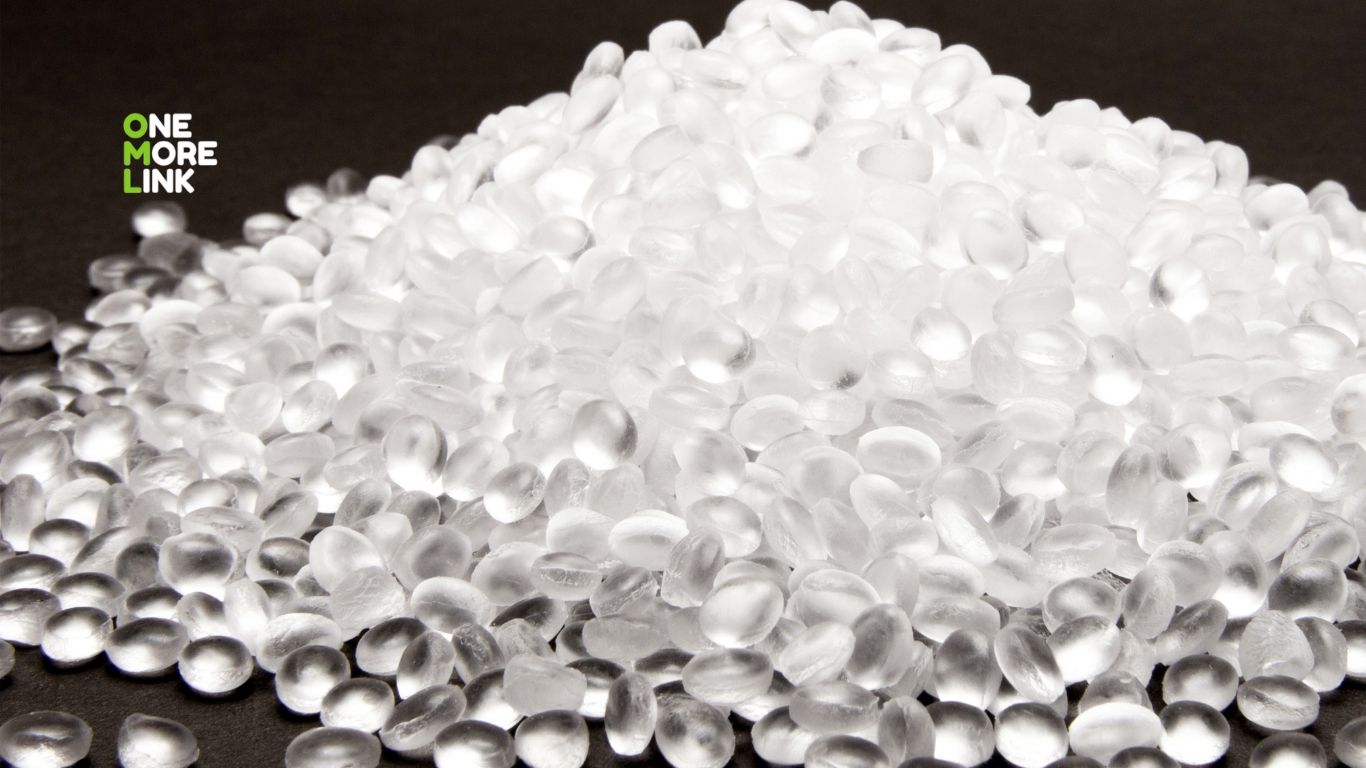
Plastic pellets are a key upstream material used in various industries, including food packaging, medical supplies, and consumer goods. As such, the government has introduced close monitoring measures based on three main approaches: identifying priority products to safeguard essential goods, reducing plastic usage through alternative materials and packaging redesign, and promoting sustainability—especially by increasing recycling rates.
Currently, Thailand generates around 2.7 million tons of plastic waste per year, but only 20–25% is recycled. This highlights the urgent need to improve waste sorting systems and promote reuse, alongside encouraging consumers to reduce plastic consumption.
Moving forward, the government plans to establish a multi-agency working group and collaborate with the private sector, particularly the petrochemical industry, to form a dedicated Task Force. This mechanism will oversee the entire supply chain, prevent stockpiling, and ensure that essential goods remain available at reasonable prices.
Meanwhile, positive developments in the global landscape—such as a temporary ceasefire in the Middle East—may help ease cost pressures in the short term. However, authorities will continue to closely monitor the situation to maintain economic stability and leverage this opportunity to drive long-term sustainability in the industry.
Cr. nationtv.tv