In the past, water was often seen as an abundant and limitless resource. Today, that perception is rapidly changing — clean water is becoming as valuable as oil.
Although water covers about three-quarters of the Earth’s surface, the reality is that over 97% of it is saltwater, which cannot be used directly. Another roughly 2% is locked away in glaciers or deep underground reserves, leaving less than 1% as accessible freshwater for human use.
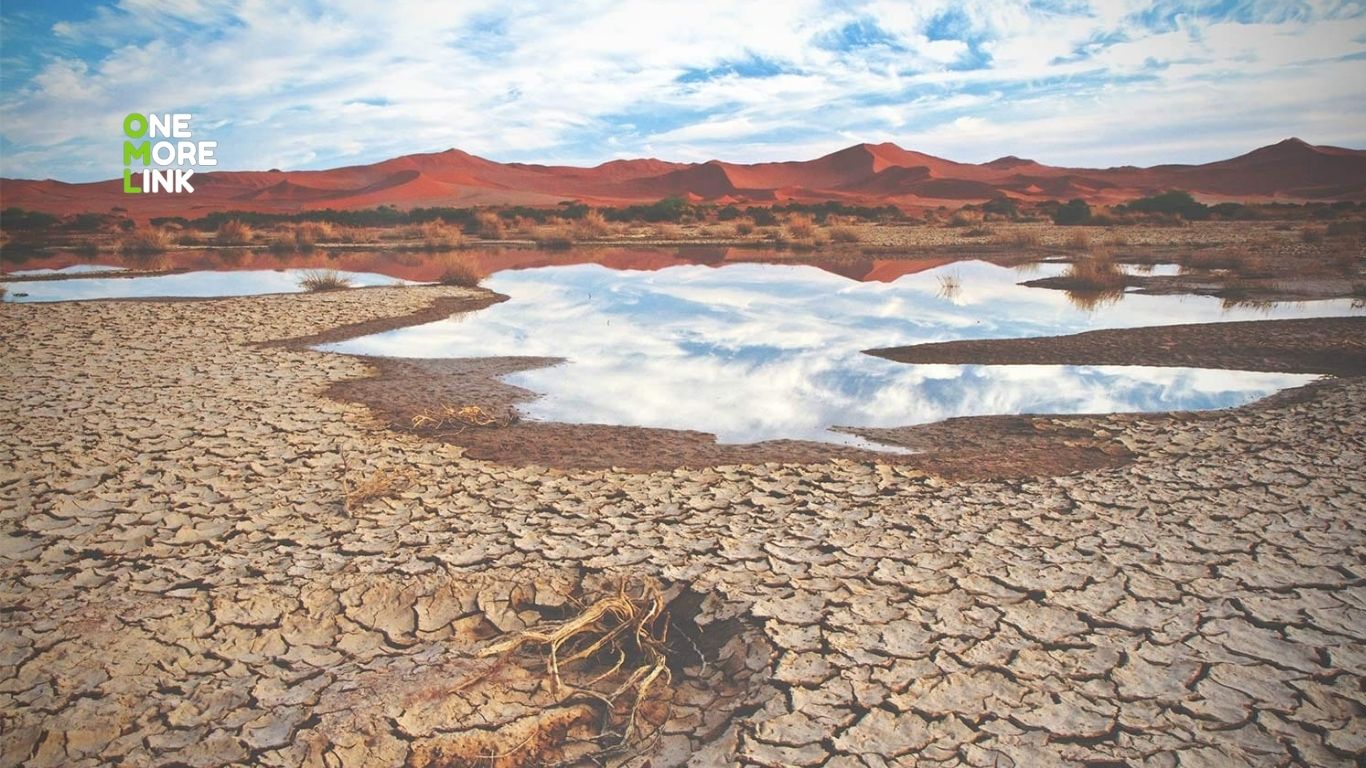
Even more concerning, this already limited supply of freshwater is shrinking. Climate change is causing water sources to dry up, while groundwater is being extracted at rates far exceeding its natural replenishment.
Importantly, freshwater does not always mean clean water. Much of it still requires treatment before it can be safely used for consumption or industry.
At the same time, demand for water is rising rapidly — not only for agriculture and daily use, but also for modern industries such as data centers, AI, and semiconductor manufacturing, all of which require large amounts of clean water.
As a result, water is no longer just a basic resource. It is becoming a strategic asset tied to economic growth, technological advancement, and national security. For example, desalination plants in several countries are now considered critical infrastructure, much like energy facilities.
In the future, countries with abundant clean water resources may gain a significant competitive advantage in the global economy.
And the key question is:
As clean water becomes increasingly valuable — how prepared is the world to deal with this shift?
Cr. longtunman