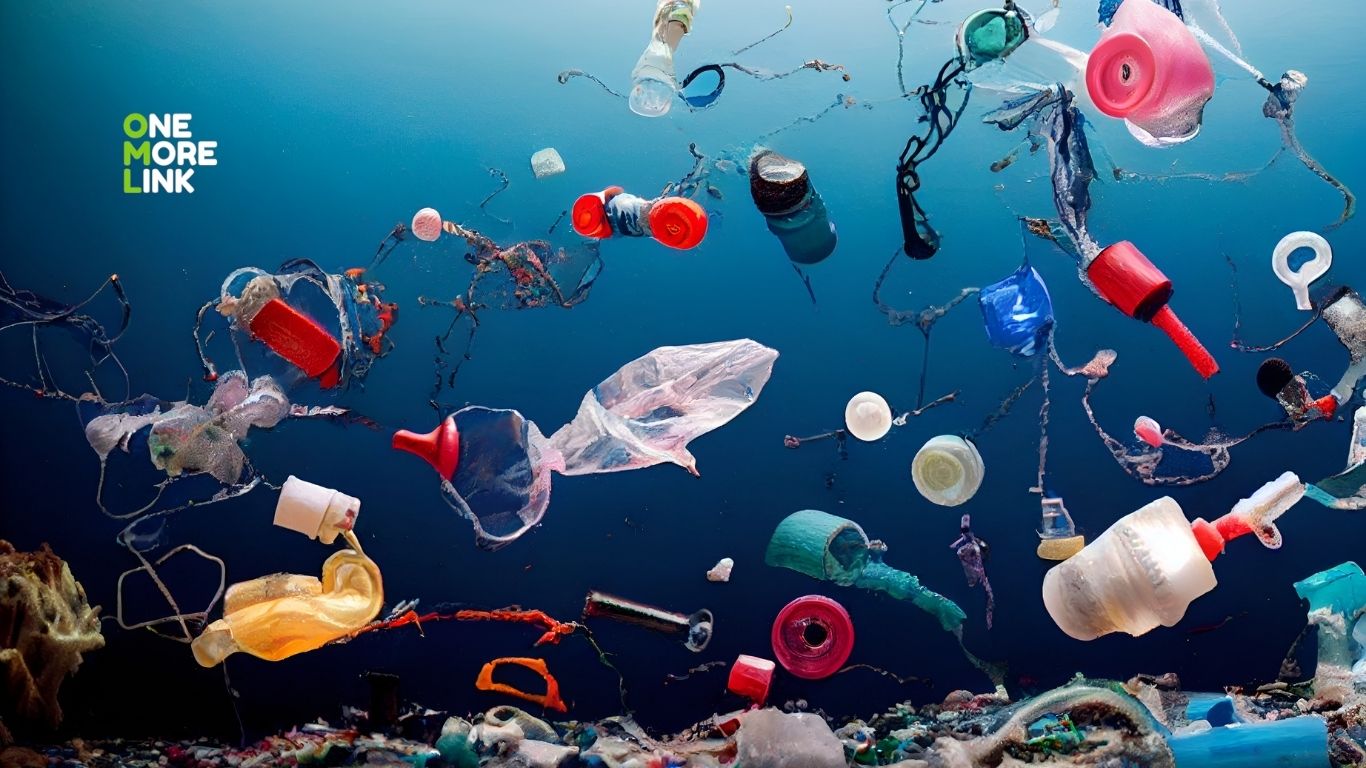
As waste—especially plastic waste—continues to be a growing global concern, many countries are adopting the concept of Extended Producer Responsibility (EPR) as a key tool for sustainable environmental management.
EPR is a principle that requires producers to take responsibility for their products throughout the entire lifecycle, from production to post-consumer stages such as collection, recycling, and disposal. The goal is to reduce environmental impact while promoting a circular economy.
Global Examples of EPR Implementation
Countries around the world have implemented EPR in different ways, depending on their context:
European Union (EU): A global pioneer, requiring producers to share the cost of waste management under the Waste Framework Directive.
South Korea: Implemented EPR since 2003, alongside strong measures to reduce single-use products.
Philippines: Introduced a plastic-focused EPR law in 2022, requiring large companies to recycle at least 80% of their plastic waste.
Taiwan: Uses a producer fee system, resulting in one of the most efficient recycling systems globally.
Indonesia and Vietnam: Integrate EPR into environmental laws, emphasizing sustainable product design and waste management systems.
Where Does Thailand Stand?
Thailand is currently developing its EPR framework through the proposed Sustainable Packaging Management Act, which is expected to come into force by 2027. This marks a significant step toward aligning the country’s waste management system with international standards.
Conclusion
EPR is more than just environmental legislation—it is a transformative approach that encourages producers to consider the full lifecycle impact of their products. As the world moves toward sustainability, this trend will inevitably push Thai businesses to adapt and prepare for the upcoming regulatory changes.
Cr. PRO-Thailand Network