In an era where clothing is inexpensive and trends change rapidly, buying new outfits has become easier—and more frequent—than ever before. However, behind this convenience lies a hidden reality that many people may not be aware of: the growing problem of textile waste driven by the fast fashion industry.
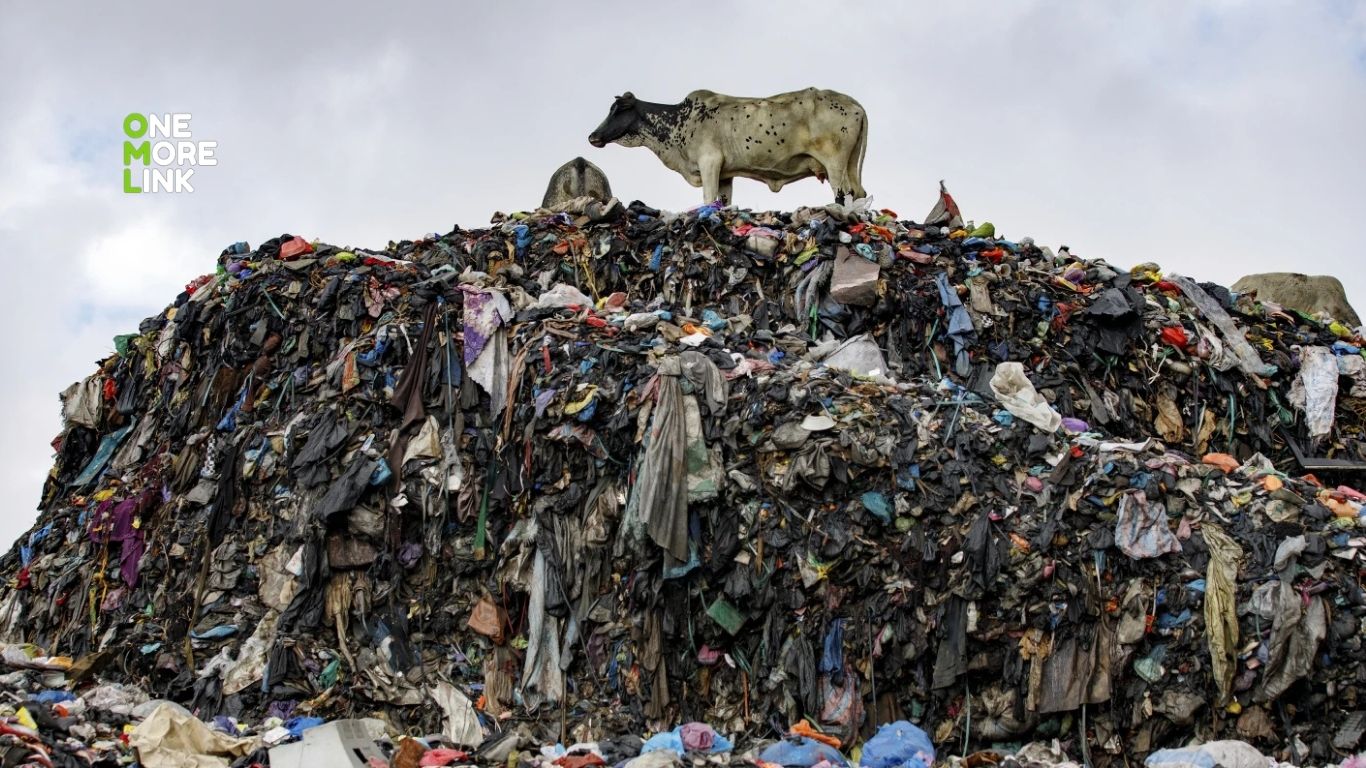
One of the clearest examples can be seen in Ghana, a country that has become a major destination for second-hand clothing from around the world. Every week, more than 15 million garments are shipped there. While some items are resold, a large portion is of such poor quality that it cannot be reused. These clothes eventually pile up as massive waste and are often burned, releasing harmful pollution into the environment.
The journey of these garments typically begins with fast fashion production—low-cost, trend-driven clothing designed for short-term use. Consumers often wear these items only a few times before donating them with good intentions. However, many donated clothes are not reused as expected. Instead, they are sold to intermediaries and exported to developing countries, where they ultimately become an environmental burden.
This issue highlights an important truth: our consumption does not end when we discard clothing. Its impact continues, affecting both the environment and communities on the other side of the world.
Addressing this problem can start with simple actions—making more mindful purchasing decisions, choosing higher-quality items, and wearing clothes for longer. Because a single garment may travel much farther than we imagine, and its final destination might not be another person’s wardrobe, but a growing pile of waste on our planet.
Cr. environman th