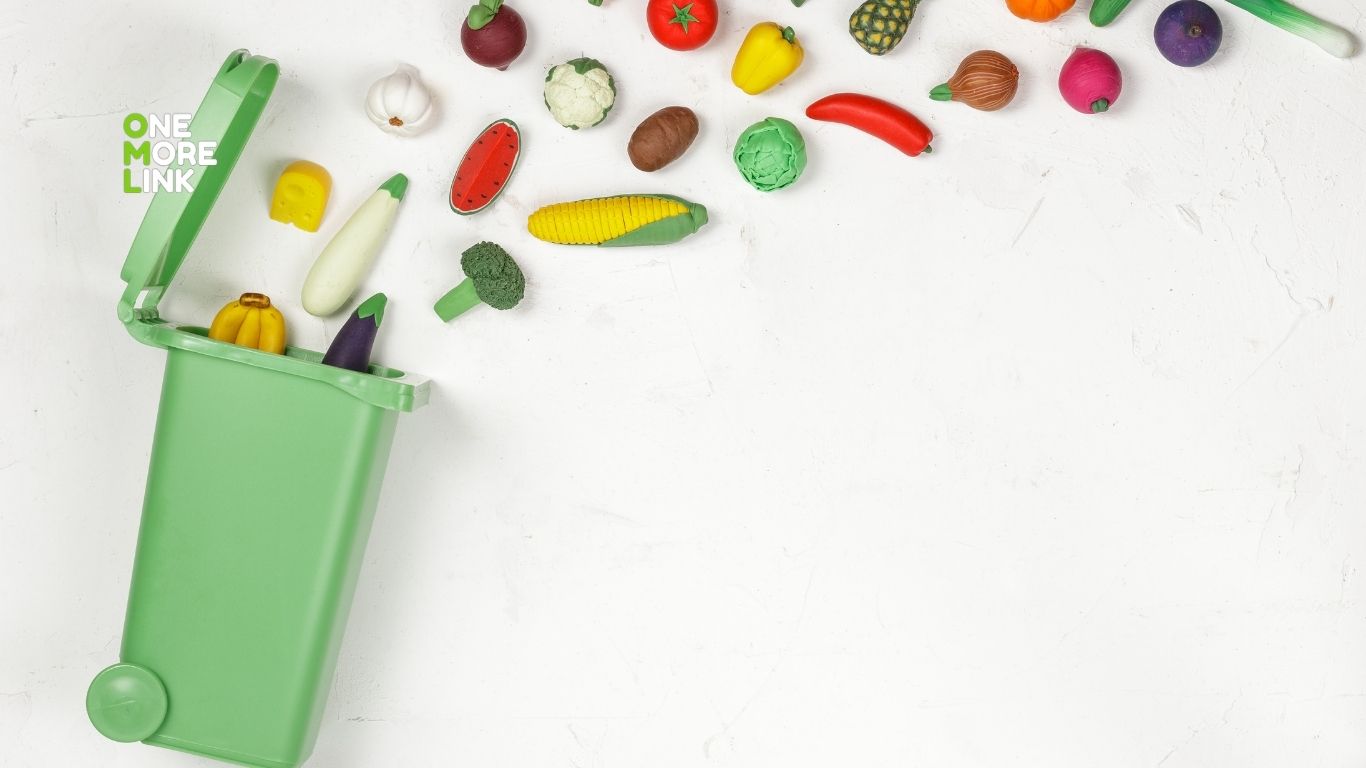
In the 1990s, South Korea faced a severe waste crisis, with landfills reaching capacity—largely due to the overwhelming volume of food waste. This type of waste, often wet and difficult to manage, became a major environmental challenge. In response, the government implemented strict measures, including a complete ban on dumping food waste into landfills and the ocean, and began seeking more sustainable solutions.
A major turning point came with the introduction of RFID technology through “smart bins.” These bins weigh food waste in real time and charge households based on the exact amount they dispose of. The principle is simple: “the more you waste, the more you pay.” This system has encouraged people to change their behavior—planning meals more carefully, reducing leftovers, and minimizing food waste in daily life.
As a result, South Korea has achieved an impressive food waste recycling rate of up to 96.8%. More importantly, properly sorted food waste is now transformed into valuable resources, such as biogas for clean energy, animal feed, and agricultural fertilizers.
South Korea’s model demonstrates that when waste comes with a real cost, people become more responsible. It not only reduces waste but also reshapes public awareness—turning what was once considered useless into valuable, sustainable resources for society.
Cr. springnews