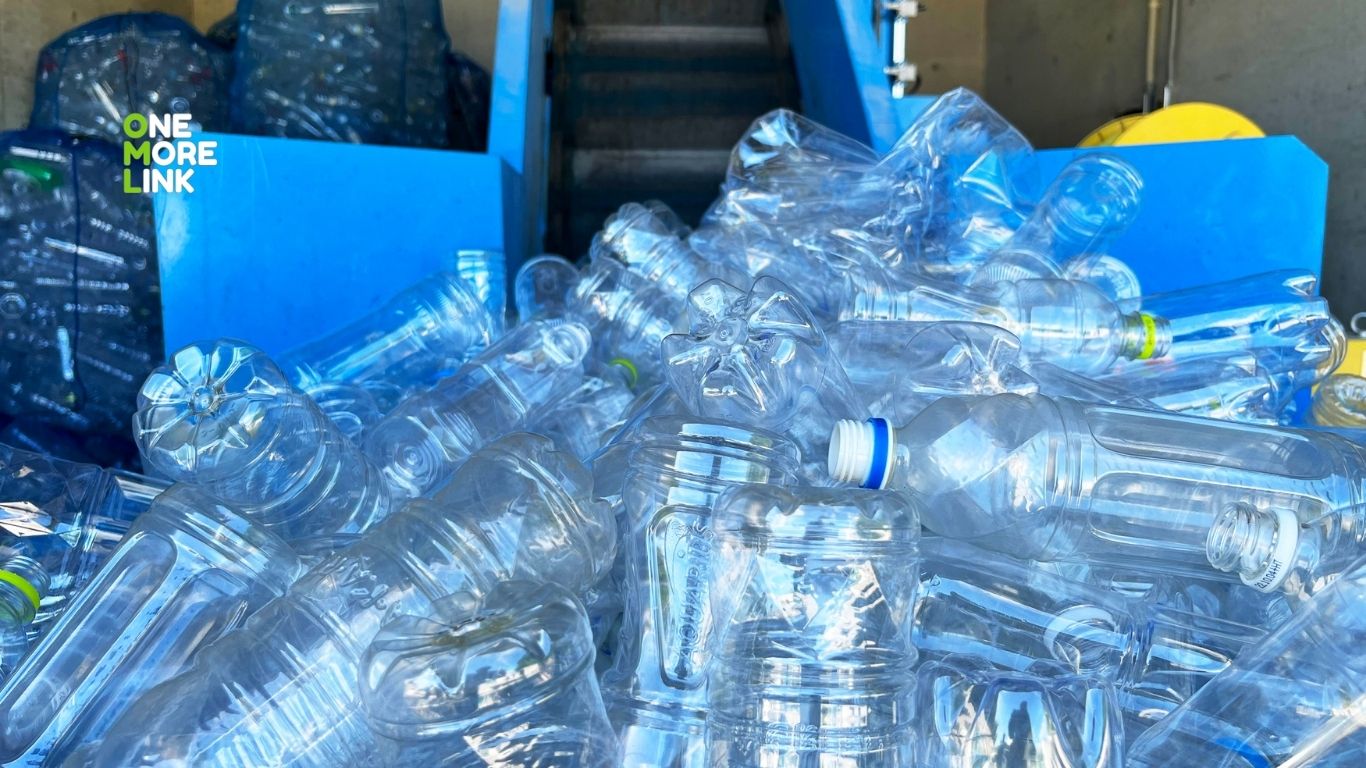
In recent days, the price of PET plastic bottles (clear water bottles) has risen sharply. From around 4 baht per kilogram, prices have jumped to 8–10 baht, while factory purchase prices have reached as high as 14 baht within just three days. This reflects a significant increase in global demand.
The main driver behind this surge is the spike in oil prices, which has made waste transportation more difficult and led to shortages of raw materials for recycling plants. At the same time, Europe and China are entering the winter season, increasing demand for recycled fibers used in clothing and textile production. This has further pushed up PET bottle prices in the market.
However, despite the higher prices, waste collectors—commonly known as “saleng” in Thailand—are not fully benefiting. They are facing rising fuel costs and, in some areas, fuel shortages, making it less profitable to collect and transport recyclables.
Additionally, the import of waste materials, particularly paper, has driven down domestic prices, further reducing income for local collectors. This comes at a time when the cost of living continues to rise.
As a result, the Saleng Association has called on the government to review relevant policies, especially those related to waste imports, in order to ease the burden on informal workers and low-income groups during this period of increasing living costs.
Although PET bottles have become a “valuable resource” in the recycling market, small-scale workers in the system are still struggling to make ends meet.
Cr. sustain dailynews