As electricity costs continue to rise due to global energy factors and increasingly hot weather, many households are looking for ways to reduce long-term expenses. One popular solution is installing solar panels, which generate electricity from sunlight.
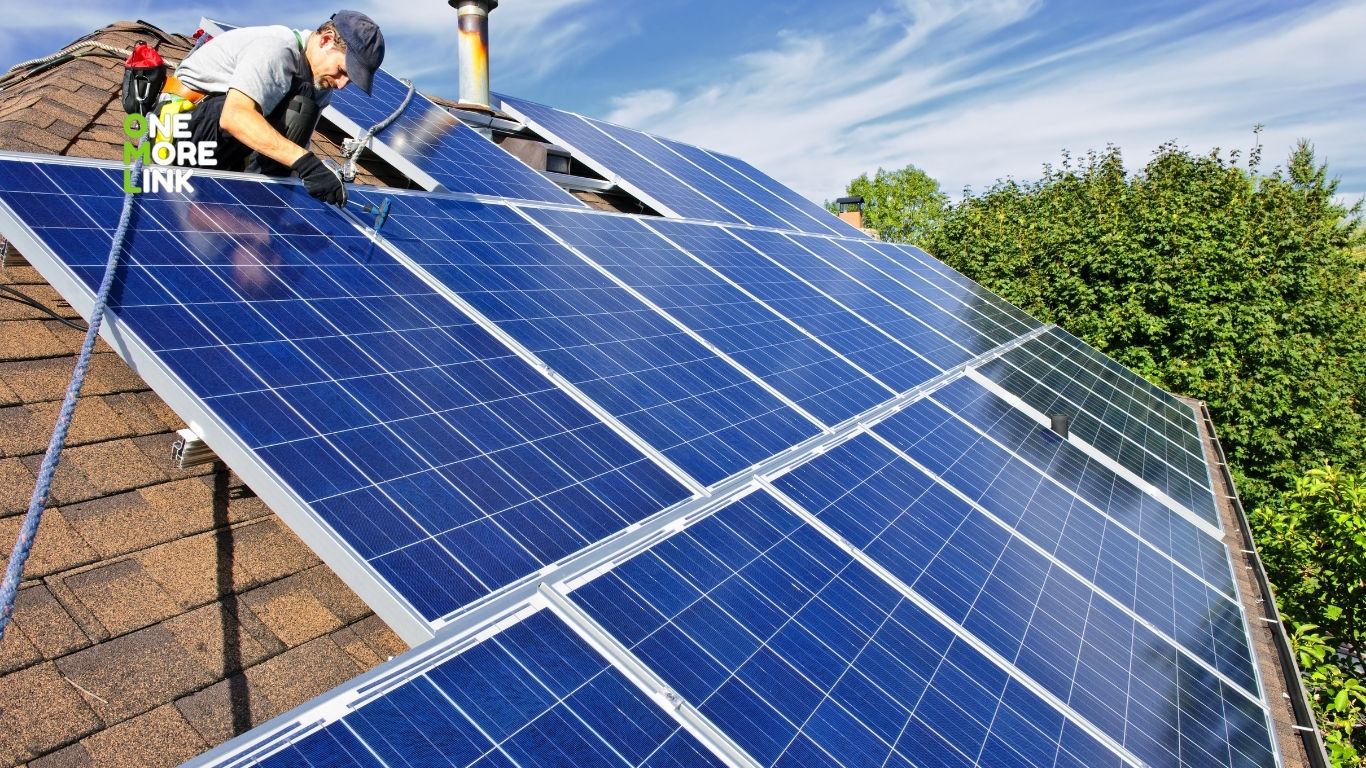
The most common system for homes is the solar rooftop, where panels are installed on the roof to capture sunlight and convert it into electricity for household use. The system produces direct current (DC), which is then converted into alternating current (AC) by an inverter before being used.
Solar panel systems are generally divided into two main types: Off-Grid and On-Grid.
Off-Grid systems are not connected to the utility grid, making them suitable for remote areas. They typically require batteries and do not need official permission.
On-Grid systems, commonly used in residential homes, are connected to the public electricity grid and require approval from relevant authorities.
On-Grid systems can be further categorized into two types:
Self-consumption (non-selling): electricity is used within the home
Selling back to the grid: excess electricity can be sold, requiring a digital meter to separate usage and sales
When it comes to system size, it should be based on household electricity usage. A common recommendation is to install a system that covers around 50% of electricity consumption, as solar power is mainly generated during the daytime. If electricity is needed at night, a battery storage system is required, which increases costs.
The return on investment depends largely on usage patterns. Homes that consume more electricity during the day will benefit the most. However, selling excess electricity back to the grid typically yields lower returns.
In summary, solar panels can effectively reduce electricity costs in the long run. However, it is important to carefully evaluate your energy usage and choose the right system size to maximize cost efficiency.
Cr thaipbs