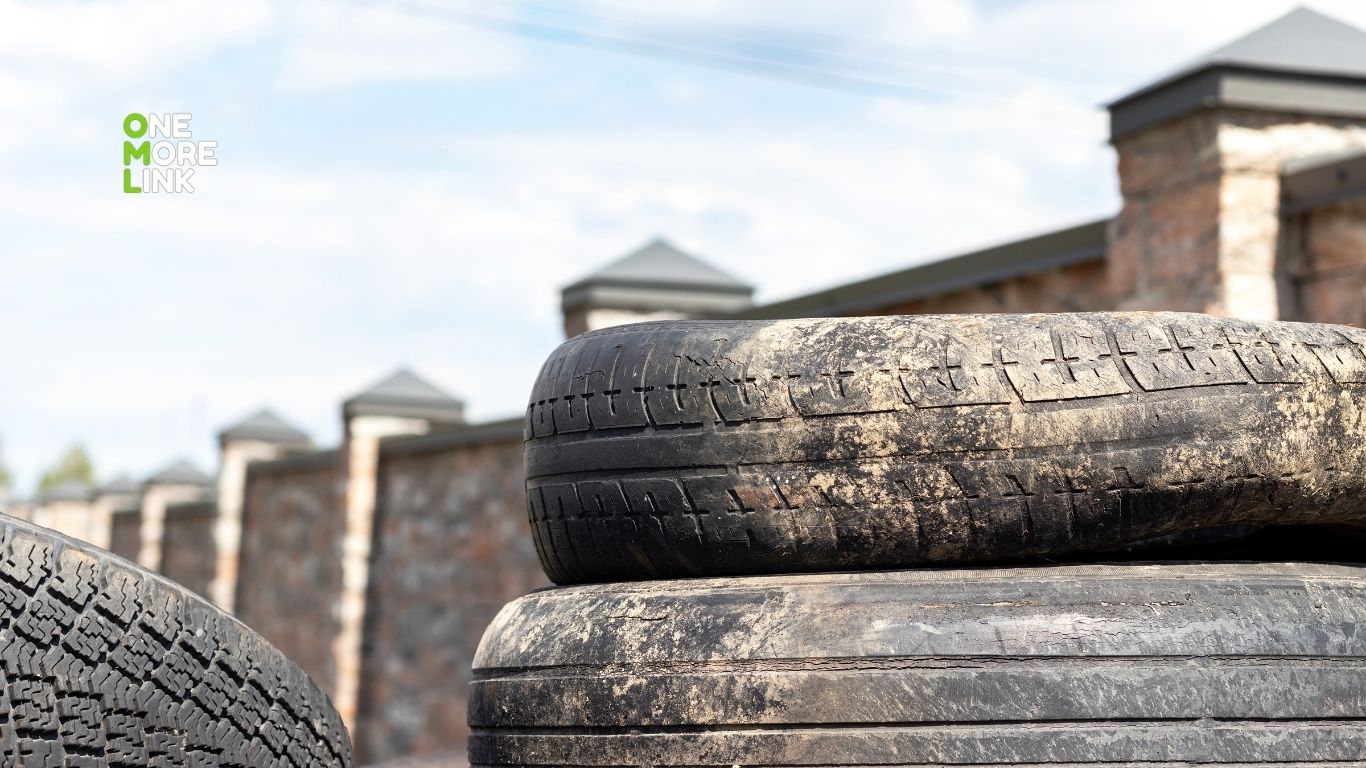
Every year, millions of used tires are discarded worldwide. If not managed properly, they can cause serious environmental problems. Today, however, there is a technology that can transform this waste into valuable resources — it’s called Pyrolysis.
Pyrolysis is a process that thermally decomposes materials at high temperatures (around 350–700°C) in the absence of oxygen. This causes the molecular structure of materials such as tires, plastics, or industrial waste to break down into gases and vapors, which can then be condensed into alternative fuel oil, similar to diesel.
The process begins by feeding used tires or high-calorific waste materials into a pyrolysis reactor. Heat is then applied under oxygen-free conditions, breaking the material down into gas. This gas is further processed into three main outputs:
Alternative diesel fuel
Fuel gas (which can be reused within the system to reduce energy costs)
Carbon black (which can be utilized in various industrial applications)
One of the key advantages of pyrolysis over traditional incineration is its environmental performance. It significantly reduces toxic emissions, enables energy recovery from waste, and helps lower an organization’s carbon footprint. Additionally, when properly operated, it is a legally compliant waste management solution.
For industrial businesses, pyrolysis not only reduces the cost of waste disposal but also creates added value from previously unusable materials. It supports ESG reporting and helps minimize the volume of waste sent to landfills.
In summary, old tires can indeed be converted into diesel-like fuel through pyrolysis — making it a promising solution for sustainable waste management in today’s world.