Indonesia is stepping up efforts to tackle its mounting waste problem by promoting Waste-to-Energy (WtE) initiatives, positioning them as a key national strategy to improve waste management while strengthening energy security.
Under the leadership of President Prabowo Subianto, the government is fast-tracking the development of 34 waste-to-energy power plants, focusing on densely populated urban areas such as Jakarta, Bandung, and Semarang. The initiative aims to address inefficiencies in waste management systems across various regions.
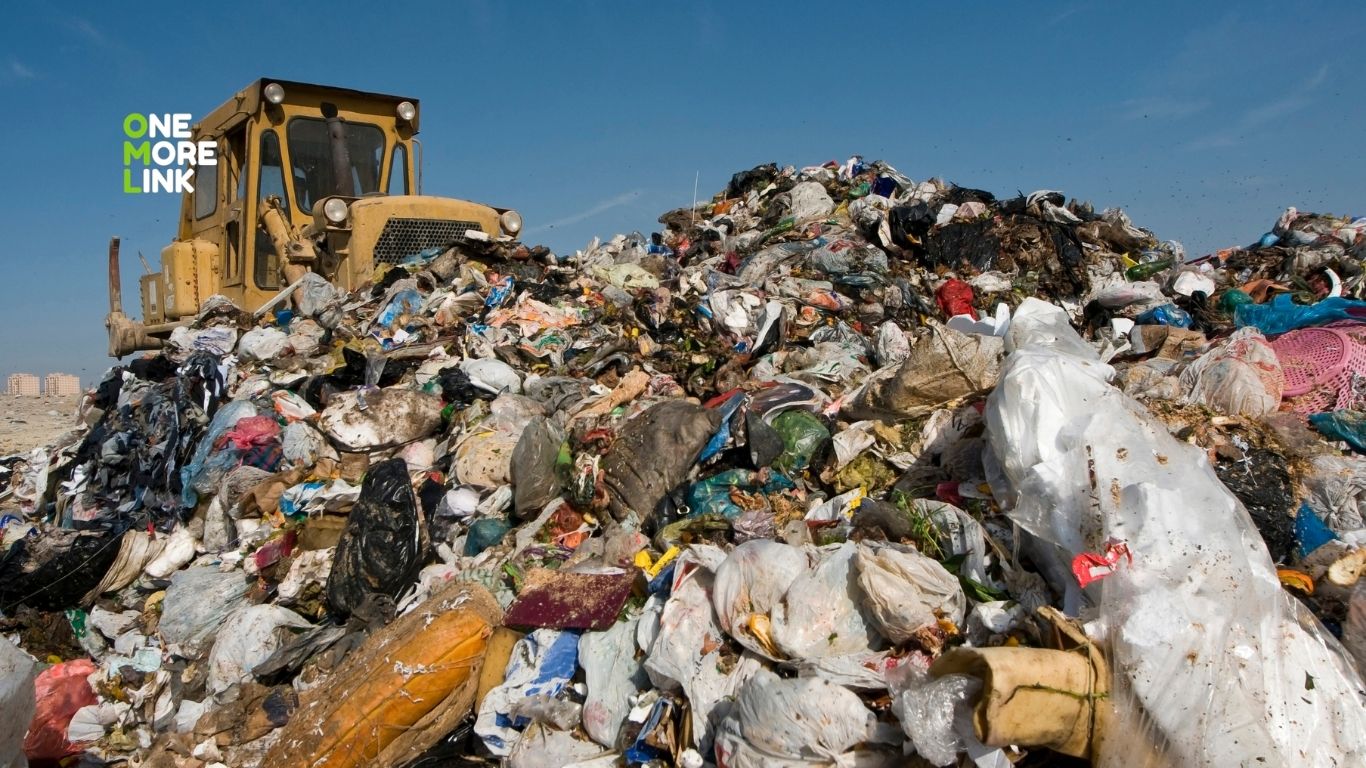
Currently, Indonesia generates around 35 million tons of waste annually, but only about 60% is properly managed. Converting waste into energy offers a viable solution to reduce reliance on landfills, which require large areas of land and pose environmental risks.
If successfully implemented, the projects are expected to reduce landfill usage by up to 90%, cut greenhouse gas emissions by as much as 80%, and generate approximately 15 megawatts of electricity per facility. Additionally, the initiative could help lower dependence on imported energy sources such as LPG, while expanding domestic renewable energy capacity.
The Waste-to-Energy program not only addresses the country’s persistent waste challenges but also presents an opportunity to create economic value and drive sustainable development in the long term.
Cr. environman th