In many factories, “waste” is often seen as a cost that must be managed and disposed of. However, in reality, certain types of waste can be transformed into fuel and even generate value—if managed properly.
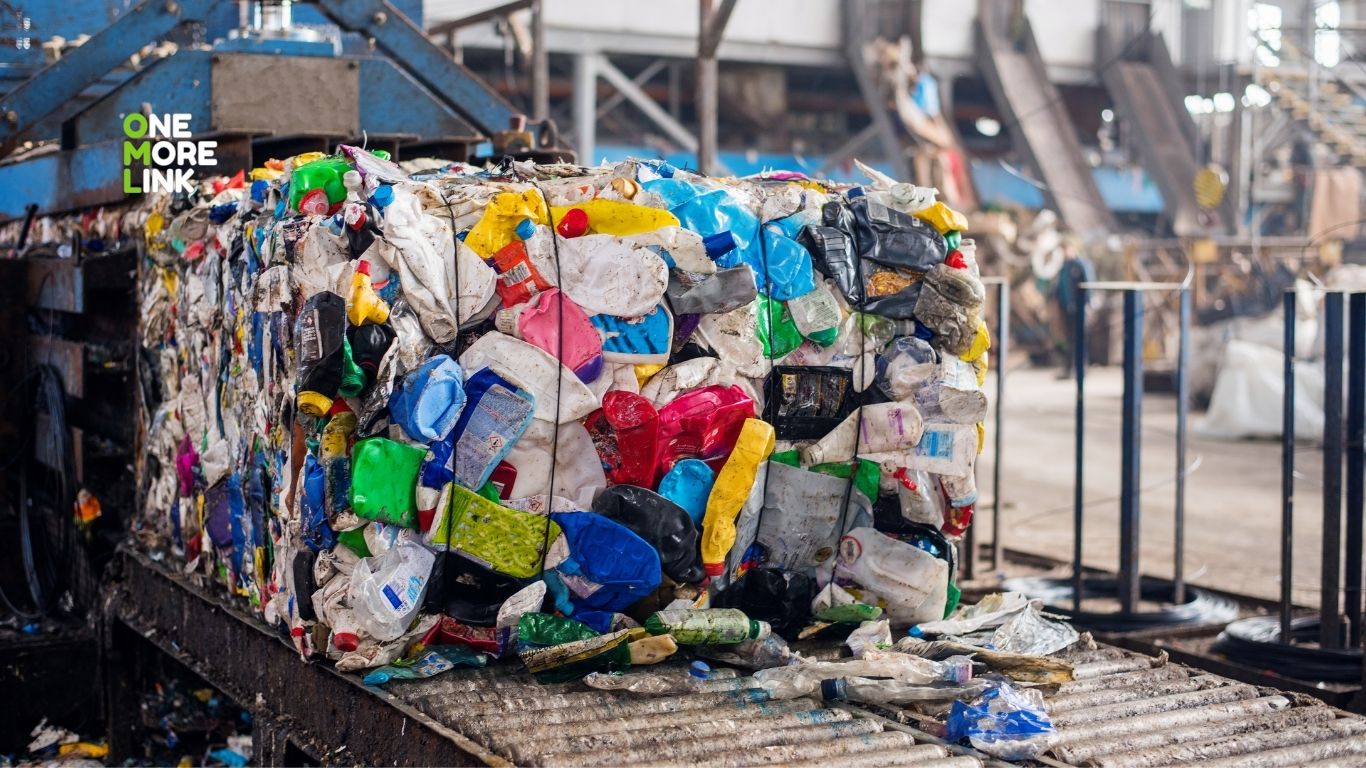
One increasingly popular solution is RDF (Refuse Derived Fuel). This involves taking high-calorific waste materials such as plastics, paper, textiles, or packaging, processing them through shredding and compaction, and converting them into fuel. This fuel can then be used in power plants or cement factories as an alternative energy source.
What Types of Waste Can Be Used for RDF?
Waste suitable for RDF typically consists of combustible materials with high energy content, such as:
Non-contaminated plastics
Paper and cardboard
Textiles and fibers
Dry food waste
Mixed packaging materials
Benefits for Industrial Facilities
Converting waste into RDF offers both environmental and business advantages:
Reduces waste disposal costs
Creates potential revenue from certain waste streams
Lowers your organization’s carbon footprint
Supports ESG reporting
Provides certified and compliant waste disposal
How Do You Know If Your Waste Can Be Used?
The key factor is the calorific value of the waste. If it exceeds 2,500 kcal/kg, it is suitable for RDF production.
Testing is simple—just send a sample for analysis to determine its energy potential.