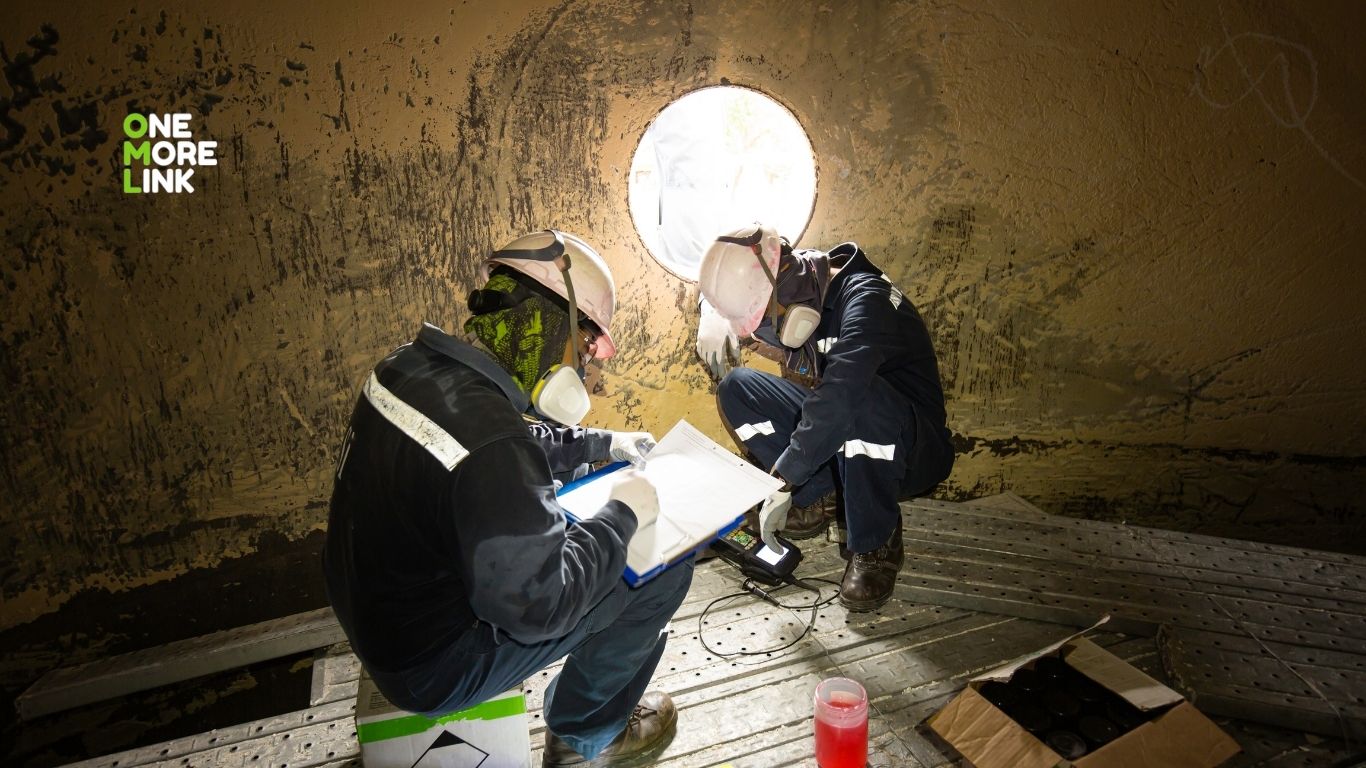
A confined space is an area with limited entry and exit points, poor ventilation, and is not designed for continuous occupancy. These spaces may pose serious hazards, including oxygen deficiency, toxic gas accumulation, chemical exposure, fire, or explosion risks. Therefore, factories and industrial facilities with such areas must implement strict safety measures.
Confined spaces are commonly found in general manufacturing plants that have storage tanks, mixing tanks, large pipelines, or utility pits. Power plants often contain confined spaces such as boilers, pressure piping systems, and large enclosed equipment. Wastewater treatment facilities typically include treatment tanks, pumping wells, and sewer systems that may qualify as confined spaces. Chemical and petrochemical plants also have storage tanks and reactors that present confined space hazards.
In addition, factories producing food, beverages, metal products, plastics, or those with raw material storage silos and hoppers may also have confined spaces—especially during cleaning, maintenance, or internal inspection activities.
To determine whether a facility contains confined spaces, it is important to assess the physical characteristics of the area, potential atmospheric hazards, and work processes involved. If an area meets the definition, appropriate planning, control measures, and safety standards must be implemented to prevent serious accidents.