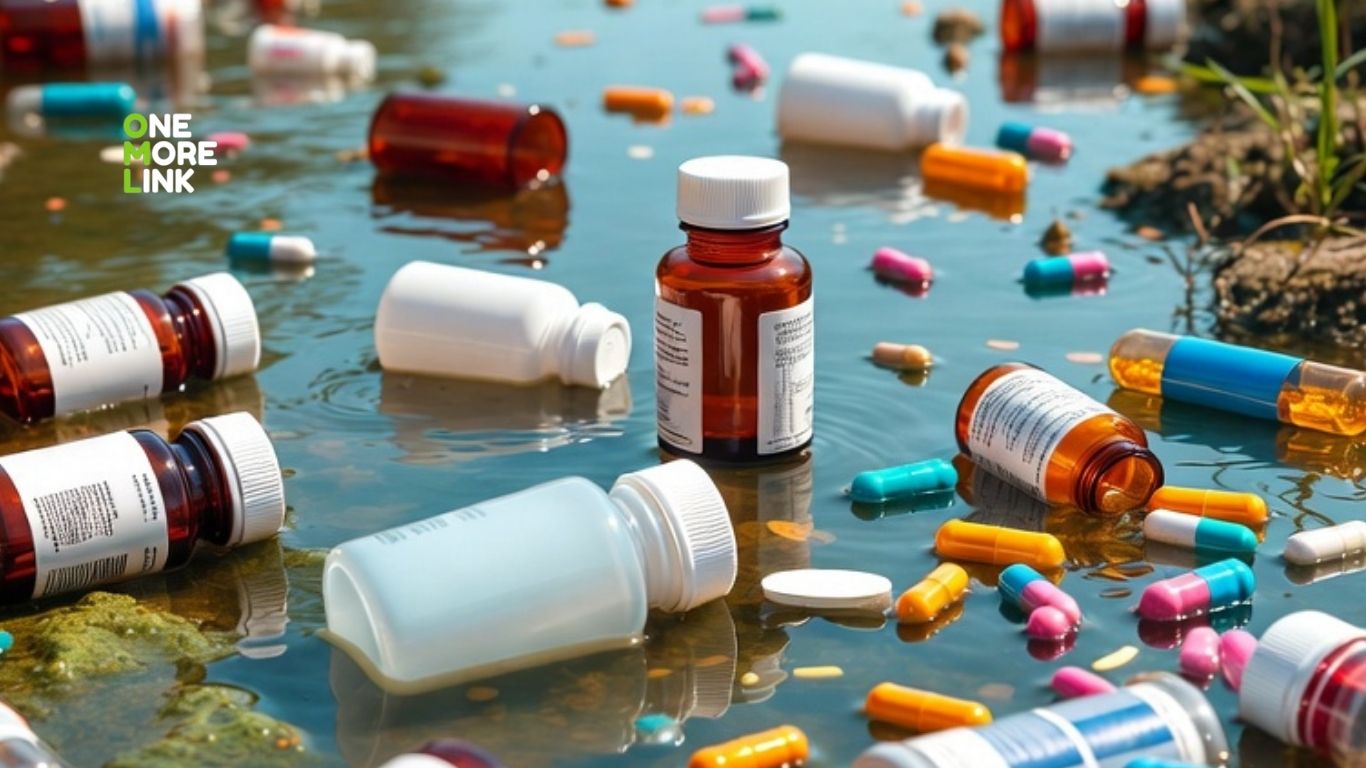
In an era of advanced medicine, pharmaceuticals are essential to human life. However, on the other side, they have become a source of pollution spreading across the globe—often unnoticed.
According to the United Nations Environment Programme (UNEP), active pharmaceutical ingredients (APIs) have been found contaminating water sources on every continent, including rivers, lakes, and groundwater. At least 631 types of pharmaceutical substances have been detected in 71 countries, and contamination has been identified in more than 1,000 rivers across 104 countries worldwide. This highlights the scale of a truly global issue.
The main cause lies in everyday drug consumption. When people take medication, the body only absorbs part of it, while the remainder is excreted and enters wastewater systems. Unfortunately, most wastewater treatment plants are not designed to fully remove these complex chemical compounds, allowing residues to pass into natural ecosystems. Improper disposal of unused medicines—such as flushing them down toilets, pouring them into sinks, or discarding them with household waste—further contributes to contamination in soil and water sources.
The impacts of pharmaceutical pollution are significant and wide-ranging. It contributes to the rise of antimicrobial resistance (AMR), a major long-term threat to human health. It also affects wildlife and ecosystems, causing abnormalities such as the feminization of male fish and acute kidney failure in certain animal species.
While pharmaceuticals are indispensable for human well-being, improper management can turn them into a global environmental hazard. Pharmaceutical pollution is therefore a “silent crisis” that requires urgent awareness and coordinated action at both societal and policy levels.
Cr. bangkokbiznews